
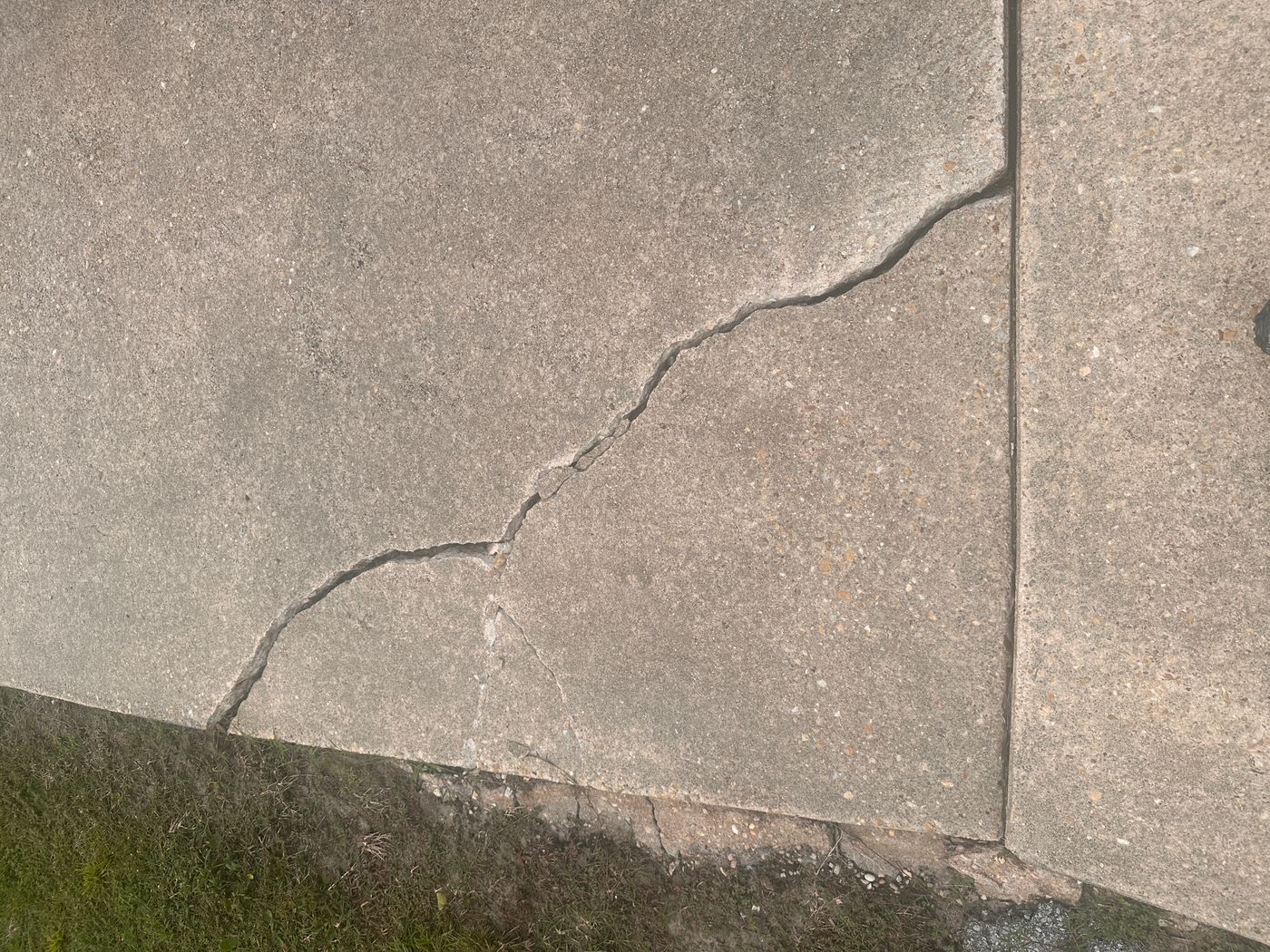
Top 5 Reasons Concrete Cracks — And Why Reinforcement Matters
If you've ever had a beautiful new concrete driveway, patio, walkway, sidewalk, slab, or landscape border installed, only to discover a crack later, you may have wondered, “What happened? Did somebody make this concrete mad?”
The truth is, concrete is tough, durable, and incredibly versatile—but it isn't indestructible. Concrete can crack for several reasons, and understanding those causes can help homeowners and business owners make better decisions before their next project.
At Border Magic by TerraCon LLC, we believe quality concrete starts with proper preparation, quality materials, professional installation, and the right concrete reinforcement for the job.
Here are the top five reasons concrete cracks and why reinforcement deserves a serious seat at the table.
1. Concrete Naturally Shrinks as It Cures
One of the most common reasons concrete cracks is also completely natural: concrete shrinks as it dries and cures.
Fresh concrete contains water. As that water evaporates and the concrete hardens, the material naturally contracts. If that movement isn't properly managed, cracks can develop.
Think of it like trying to fit into your favorite pair of jeans after Thanksgiving dinner. Eventually, something has to give!
That's where properly placed control joints become important. Control joints provide planned locations where concrete can move and crack instead of allowing random cracks to develop throughout the surface.
Proper curing is also important. Concrete that dries too quickly can be more susceptible to cracking.
While you can't completely eliminate concrete shrinkage, professional installation can help control how that movement affects your finished concrete.
2. Poor Soil Preparation and Ground Movement
You can install the strongest concrete in the world, but if it's sitting on unstable ground, you're starting the project with a problem.
Before concrete is installed, the ground underneath needs to be properly prepared. Depending on the project, this may include removing unsuitable soil, grading, compacting the base, and addressing drainage.
Here in Eastern North Carolina, soil and moisture conditions can vary significantly. Clay, sandy soils, wet areas, erosion, drainage issues, and ground settlement can all affect the surface above.
If the ground settles unevenly, concrete has little choice but to move with it.
And concrete isn't particularly good at yoga.
When one portion of the ground moves while another stays put, stress develops. Eventually, that stress can show up as cracks.
That's why proper site preparation is one of the most important parts of a quality concrete installation.
3. Too Much Water in the Concrete Mix
Here's a common misconception: “If some water is good, more water must be better.”
Not when you're dealing with concrete.
Adding excessive water can make fresh concrete easier to work with, but it can reduce the strength and durability of the finished product.
As excess water evaporates, it can leave behind additional voids within the concrete. That can weaken the material and increase the potential for cracking and surface problems.
Professional concrete contractors understand the importance of using an appropriate concrete mix and water-to-cement ratio for the application.
In other words, concrete isn't soup. You don't improve the recipe by adding more water.
Using the right materials and installation techniques can make a major difference in how your concrete performs over time.
4. Heavy Loads and Excessive Stress
Concrete is strong, but every concrete surface has limits.
A residential driveway designed for cars and SUVs experiences very different stresses than a surface regularly supporting heavy trucks, trailers, construction equipment, or commercial traffic.
When concrete is subjected to loads beyond what it was designed to handle, cracking can occur.
This is another reason concrete reinforcement matters.
Depending on the application, reinforcement such as rebar, wire reinforcement, or another appropriate reinforcing system can help concrete handle tension, movement, and loads more effectively.
Concrete is very strong under compression, but considerably weaker under tension. Reinforcement helps compensate for that weakness.
Think of reinforcement as the concrete's backup quarterback. You might not notice it during the easy plays, but when the pressure starts coming, you're glad it's on the field.
The correct reinforcement depends on the project's size, thickness, soil conditions, intended use, and expected loads. That's why reinforcement should be considered before the concrete is poured, not after cracks appear.
5. Temperature and Moisture Changes
Concrete expands and contracts as temperatures and moisture conditions change.
Eastern North Carolina may not have the extreme temperature swings found in some areas, but concrete still experiences plenty of hot summers, cooler weather, rain, humidity, and changing ground moisture.
Those changes create movement.
Over time, repeated expansion and contraction can create stress within the concrete.
That's why proper control joints, drainage, concrete thickness, curing, site preparation, and reinforcement all play important roles in a successful concrete installation.
A good contractor isn't just thinking about what your driveway, patio, walkway, or slab looks like on installation day. They're thinking about what it's going to experience months and years later.
Why Concrete Reinforcement Matters
If there's one thing we'd like homeowners and business owners to remember, it's this:
Don't wait until concrete cracks to start thinking about reinforcement.
Reinforcement should be considered during the planning and installation process.
Proper reinforcement can help improve the structural performance of concrete and help manage cracking caused by tension, movement, and loads.
But let's be clear—reinforcement isn't a magic force field.
Even properly reinforced concrete can crack. The goal isn't to promise concrete that will never crack. That's simply not realistic.
The goal is to install concrete correctly and give it the best opportunity for long-term performance.
That means considering:
- Proper site preparation
- Stable, compacted base material
- Appropriate concrete mix
- Proper concrete thickness
- Drainage
- Correctly placed control joints
- Proper curing
- Appropriate reinforcement
- Professional installation
When all these pieces work together, your concrete has a much better chance of standing up to everyday use and Mother Nature's occasional temper tantrums.
Don't Let a Crack Ruin Your Concrete Investment
Whether you're planning a concrete driveway, patio, sidewalk, walkway, slab, concrete border, landscape edging, or commercial concrete project, installation quality matters.
Saving a few dollars by cutting corners on preparation or reinforcement can potentially become much more expensive if the concrete needs to be repaired or replaced prematurely.
At Border Magic by TerraCon LLC, we believe quality concrete work starts before the concrete ever reaches the ground.
We provide full concrete services throughout Eastern North Carolina, serving homeowners and businesses with concrete solutions designed around their property's needs.
From concrete landscape edging and concrete curbing to driveways, patios, sidewalks, slabs, and other concrete improvements, our goal is to provide quality workmanship, practical solutions, and finished projects that look great and are built to perform.
Before your next concrete project, ask the important questions:
Is the soil properly prepared?
Is the concrete mix appropriate for the application?
Is the thickness correct?
Are the control joints properly planned?
What type of reinforcement is appropriate?
Because when it comes to concrete, an ounce of planning can be worth a whole truckload of repairs.
And remember: concrete may crack, but your project doesn't have to be a cracking experience!
Serving Eastern North Carolina
Border Magic by TerraCon LLC offers full concrete services throughout Eastern North Carolina, serving residential and commercial customers in communities including Greenville, Louisburg, Wake Forest, Franklinton, Spring Hope, Castalia, Nashville, Beulaville, Raleigh, Garner, Angier, Knightdale, Zebulon, Washington, New Bern, Jacksonville, Kinston, Goldsboro, Wilson, Rocky Mount, Tarboro, Elizabeth City, Edenton, Plymouth, Williamston, Roanoke Rapids, Farmville, Winterville, Ayden, Grifton, Snow Hill, and La Grange.
If you're planning a concrete project anywhere in Eastern NC, contact Border Magic by TerraCon LLC to discuss your project and learn more about the concrete services available for your home or business.
Whether you need concrete services, concrete landscape edging, concrete curbing, sidewalks, patios, driveways, slabs, or other concrete improvements, proper planning and professional installation can make a big difference.
Don't wait until your concrete starts talking to you through a crack. Let's build it right from the beginning!